With so many wellness businesses advertising their services online, it can sometimes be difficult to distinguish clear, reliable information from vague promotional claims. A professional-looking website alone does not guarantee that a business follows appropriate hygiene practices or communicates its prices and policies honestly. Taking a few minutes to verify the details can help you make a more informed decision.
This comprehensive guide explains how to evaluate a spa, check service descriptions, understand consent and privacy, review pricing policies, and recognize warning signs before making a reservation. These practical recommendations can help first-time visitors and regular spa customers choose services that match their preferences and expectations.
What Are Safe Spa Services?
Safe spa services are treatments delivered in an environment that prioritizes cleanliness, clear communication, customer comfort, informed consent, privacy, and professional conduct. The exact requirements depend on the treatment, the facility, and the applicable local rules.
A professional spa should explain its available treatments, expected duration, prices, booking conditions, and relevant precautions. Customers should have a reasonable opportunity to ask questions before agreeing to a service.
Safety is not limited to the physical environment. It also includes respectful staff behavior, transparent business practices, responsible handling of customer information, and the ability to raise concerns without being pressured or embarrassed.
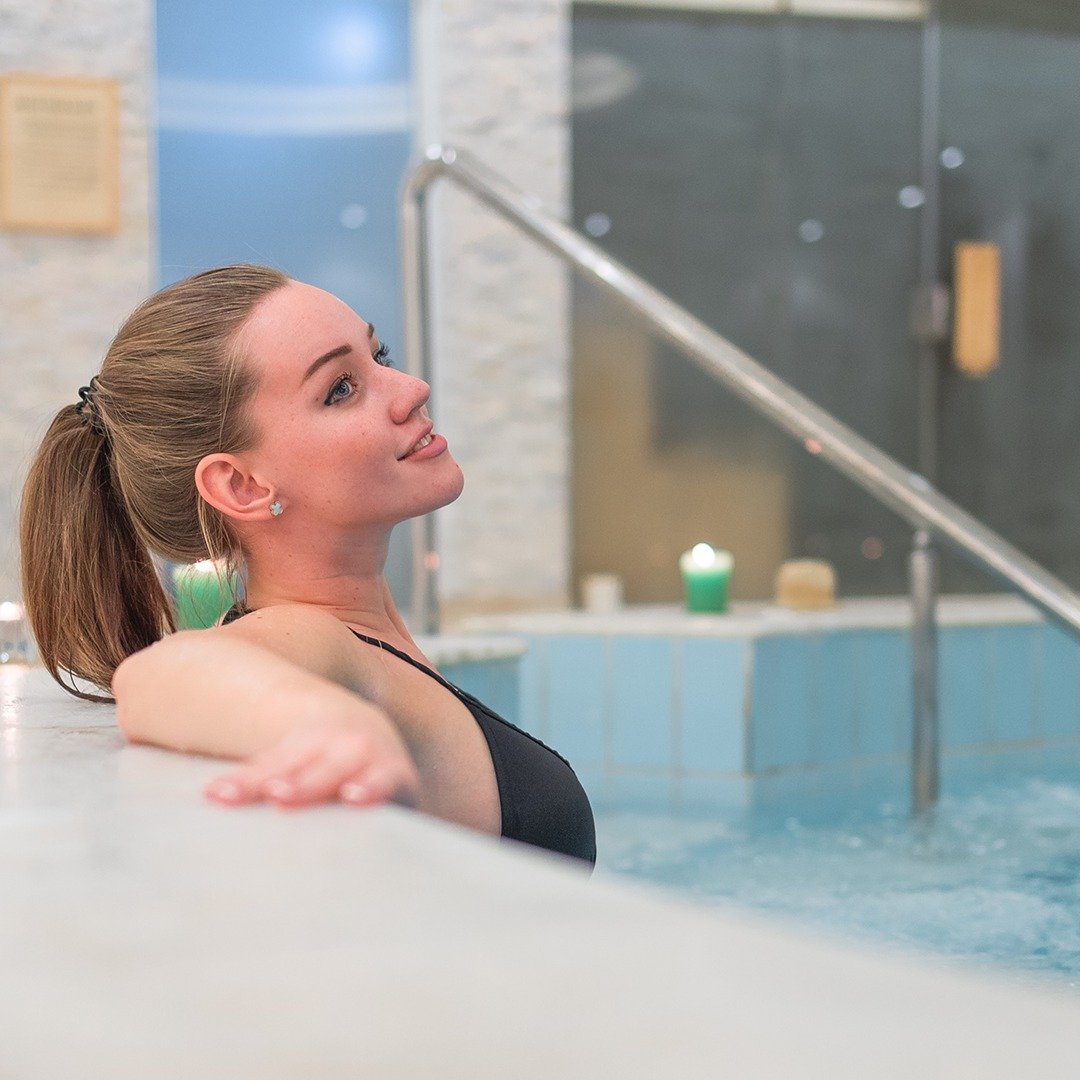
For example, a spa offering massage treatments should be able to explain the type of massage, the general techniques involved, the expected pressure, and any precautions customers may need to consider. The business should also explain its procedures for changing linens and cleaning treatment equipment.
No single feature can guarantee a completely risk-free experience. However, checking several independent indicators can help customers identify businesses that take professionalism and customer wellbeing seriously.
1. Check the Spa’s Business Information
One of the first steps in finding safe spa services is checking whether the business provides consistent and verifiable information. A reliable establishment should make it reasonably easy to understand who operates the business and where the service will take place.
Verify the Business Name and Address
Compare the business name, physical address, telephone number, and website information. If the spa has a public business profile, check whether the address and contact details match the information shown on its website.
If the business provides directions only after payment or gives conflicting addresses, ask for clarification before proceeding. A legitimate booking process should allow customers to understand where they are going and whom they are contacting.
Check Relevant Registration and Permits
Depending on the location and type of establishment, a spa may need relevant business registrations, trade licenses, or other permissions. Where applicable, ask which credentials are required and how they can be verified.
Do not assume that a logo, badge, or statement such as “fully certified” proves compliance. Check the issuing organization, the name on the document, its validity, and whether it covers the advertised business or treatment.
Review the Business’s Online Presence
Look for consistent information across the official website, business listing, and other established platforms. Genuine photographs of the actual premises may help you understand the environment, although photographs alone cannot prove hygiene or safety.
Be cautious when a business uses copied images, makes extraordinary promises without evidence, or provides no practical way to verify its location or services.
2. Evaluate Hygiene and Cleanliness
Cleanliness is a fundamental consideration when choosing safe spa services. Massage tables, towels, treatment equipment, changing areas, and washrooms should be maintained according to appropriate hygiene procedures.
Fresh Towels and Clean Linens
Ask whether towels, sheets, and other reusable linens are changed and laundered after each customer. Used linens should not be presented as fresh, and visibly stained or damp items should be replaced.
Before the treatment begins, observe whether the room appears clean and prepared for the next guest. You can politely ask the staff how linens are handled between appointments.
Sanitized Treatment Equipment
Equipment and surfaces that come into contact with customers should be cleaned using suitable methods. Reusable tools may require different cleaning or disinfection procedures depending on their material and intended use.
Single-use items should be discarded after use rather than reused for another customer. Staff should follow the product manufacturer’s instructions for cleaning and disinfecting equipment.
Hand Hygiene and Staff Practices
Therapists should follow appropriate hand-hygiene practices before treatments and whenever required during the session. Clean hands, properly maintained equipment, and organized treatment spaces are useful signs of a consistent hygiene routine.
Ventilation and General Facilities
Notice whether the room feels reasonably ventilated and whether the treatment area, reception, and washroom are maintained properly. Strong fragrances should not be used to conceal unpleasant odors or poor cleanliness.
These observations cannot replace a formal inspection, but they can help you identify obvious concerns. If a room appears dirty or the staff cannot explain basic cleaning procedures, consider choosing another establishment.
3. Confirm the Full Price Before Booking
Transparent pricing is another important feature of safe spa services. Customers should know what they will pay before committing to a treatment.
A clear price list normally identifies the service name, session duration, standard price, and any important conditions. If taxes or additional fees apply, those details should be communicated before the booking is confirmed.
Understand What Is Included
Do not compare treatments by price alone. One advertised package may include a longer session or additional skincare products, while another may cover only the main treatment.
Ask the spa to explain exactly what the selected package includes. If an upgrade is offered, confirm the additional cost and decide whether you want it. You should never feel obliged to purchase an optional service.
Ask About Deposits and Cancellation Policies
Some businesses require a deposit to secure an appointment. Before paying, ask whether the deposit is refundable, when a cancellation fee applies, and what happens if the spa needs to reschedule.
Read the terms carefully and keep a copy of the booking confirmation and payment receipt. A written record can help resolve misunderstandings about the agreed service or amount paid.
Watch for Unexpected Charges
A warning sign is a business that refuses to provide a price, changes the agreed amount without explanation, or introduces compulsory add-ons after the customer arrives.
If the final bill differs from the confirmed price, request an itemized explanation. You can decline optional extras that you did not agree to purchase.
4. Understand Consent and Professional Boundaries
Consent is essential to a respectful spa experience. Before a treatment begins, customers should understand what will happen and have the opportunity to agree to the proposed service.
Discuss the Treatment Before It Starts
A professional consultation may cover the type of treatment, expected duration, pressure preferences, sensitive areas, allergies, and any relevant precautions. The information should be explained in language the customer understands.
Customers should be able to ask questions without feeling rushed. If an explanation is unclear, request clarification before agreeing to proceed.
Consent Can Be Withdrawn
Agreeing to a treatment does not mean agreeing to every possible technique or additional service. Customers can request a change, decline a particular procedure, or stop a session if they feel uncomfortable.
Therapists also have the right to maintain professional boundaries and refuse inappropriate requests. Respect must work in both directions.
Clarify Draping and Clothing Procedures
Before a massage, ask what clothing is appropriate and how the spa manages draping and coverage. Procedures may differ depending on the treatment and local professional standards.
The therapist should explain which areas will be treated and provide reasonable privacy while the customer prepares. If the process does not match the explanation you received, pause and ask questions.
Never Assume That a Booking Includes Extra Services
Booking a massage or spa package does not automatically imply consent to an additional activity. Each service should be described accurately and agreed upon separately where applicable.
A business should not use ambiguous marketing language to create expectations that differ from its actual services. Customers should also respect staff boundaries and follow the establishment’s rules.
5. Read the Privacy Policy Carefully
Privacy is an important part of safe spa services because booking may involve personal contact details, appointment records, payment information, and sometimes information about allergies or health concerns.
A clear privacy policy should explain what information the business collects, why it collects it, how it is used, and whether it is shared with other organizations. It should also explain how customers can contact the business about their information.
Share Only Necessary Personal Information
A spa may reasonably need a name and contact method to manage a booking. Some treatments may require limited health-related information for safety purposes.
However, customers should be cautious about requests for unnecessary identity documents, financial details, personal photographs, passwords, or unrelated sensitive information. Ask why the information is required and how it will be protected.
Protect Booking and Payment Details
Use official contact channels and established payment methods whenever practical. Avoid sending card security codes, account passwords, or one-time authentication codes through chat messages.
If the business requests an advance payment, verify the recipient and the agreed terms before sending money. Keep receipts and written confirmations in case a question arises later.
Understand Photography and Recording Policies
Customers should not photograph or record therapists or other visitors without permission. Businesses should also obtain appropriate permission before using identifiable customer photographs or testimonials for marketing.
Ask whether cameras are used in public areas and how recordings are handled. Any monitoring should comply with applicable laws and respect reasonable expectations of privacy in treatment and changing areas.
Ask About Marketing Messages
Some businesses use customer contact details to send promotions or appointment reminders. Check whether you can opt out of marketing messages and whether your information is shared with third-party marketing services.
Responsible information handling helps customers feel more comfortable and gives them a clearer understanding of how their details are used.
6. Verify Therapist Qualifications and Treatment Knowledge
The person delivering a treatment should have appropriate training for the service being offered. The qualifications required can vary by treatment type and jurisdiction, so customers should focus on credentials that are relevant and verifiable.
Ask About Training and Experience
A spa should be able to explain what training its therapists have received and which treatments they are qualified to perform. Relevant experience is useful, but a general claim of many years in the industry does not automatically establish competence.
If the business advertises a specialized technique, ask whether the therapist has received training in that specific method.
Look for a Proper Consultation
For massage or body treatments, the therapist should ask about relevant preferences and precautions. Depending on the service, this may include injuries, recent procedures, skin sensitivities, allergies, or areas that should not be treated.
Customers should share relevant information honestly while avoiding unnecessary disclosure. If a treatment may be unsuitable because of a medical concern, consult an appropriate healthcare professional before proceeding.
Be Cautious About Unsupported Health Claims
Massage and relaxation treatments may help some people feel more comfortable, but no spa should promise to cure every medical condition or guarantee a specific health outcome without credible evidence.
Statements claiming that a treatment can replace necessary medical care deserve particular caution. Choose providers who explain the purpose and limitations of their services honestly.
7. Check Reviews and Customer Feedback
Customer reviews can provide useful clues about a spa’s communication, cleanliness, service consistency, and booking experience. However, reviews should be treated as one source of information rather than definitive proof of quality.
Look for Specific Details
Detailed reviews that describe the actual appointment, pricing, room condition, and staff communication are generally more informative than comments containing only a star rating.
Look for patterns across multiple reviews. Repeated reports of unexpected charges, poor hygiene, disrespectful behavior, or difficulty obtaining refunds deserve attention.
Read Positive and Negative Reviews
Do not rely exclusively on the highest-rated reviews. Read a range of feedback and check whether the business responds professionally to criticism.
A thoughtful response that explains how a concern was addressed may be more informative than a business profile filled with generic praise.
Recognize Potentially Misleading Reviews
Be cautious when many reviews use nearly identical wording, appear within an unusually short period, or make claims that cannot be checked. Similarly, a large number of reviews does not automatically establish that a business follows proper safety practices.
Whenever possible, combine reviews with direct questions, verifiable business information, and your own observations.
8. Recognize Warning Signs Before You Book
When searching for safe spa services, pay attention to warning signs that suggest the business may not meet your expectations or protect your interests.
- Unclear service descriptions: Staff cannot explain what a treatment includes.
- Hidden pricing: The business refuses to confirm the total price before booking.
- Pressure tactics: Customers are pushed to buy upgrades or packages they do not want.
- Poor hygiene: Used linens, dirty equipment, or visibly unclean treatment areas.
- Unverifiable credentials: The business makes certification claims but cannot identify the issuing organization.
- Privacy concerns: Staff request unnecessary sensitive information or refuse to explain how data is handled.
- Unwanted recording: Someone attempts to photograph or record customers without appropriate permission.
- Payment pressure: The business demands immediate payment without confirming the service and terms.
- Disrespectful conduct: Staff ignore reasonable questions or fail to respect stated boundaries.
One concern does not necessarily establish wrongdoing, but several warning signs together justify caution. You can delay the booking, ask for clarification, or choose a different business.
9. Follow a Simple Safety Checklist Before Your Appointment
A checklist makes it easier to compare businesses consistently. Use the following steps before confirming a spa appointment.
Before Booking
- Verify the business name, location, and contact information.
- Read the treatment description and confirm the session duration.
- Ask for the complete price and any deposit requirements.
- Review cancellation, refund, and rescheduling policies.
- Check relevant therapist qualifications and customer feedback.
- Read the privacy policy and understand how booking details are used.
When You Arrive
- Observe the cleanliness of the reception and treatment area.
- Confirm that the service matches the booking.
- Ask whether fresh linens and clean equipment are prepared.
- Discuss allergies, treatment preferences, and relevant precautions.
- Clarify consent, draping, and the boundaries of the treatment.
During the Session
- Communicate if the pressure or technique is uncomfortable.
- Ask the therapist to explain anything unexpected.
- Request an adjustment or stop the session if necessary.
- Maintain respectful communication with the therapist.
- Do not agree to additional services because of pressure.
After the Session
- Review the final bill before payment.
- Keep the receipt if you need it for your records.
- Provide honest feedback about the service.
- Contact the business if a promised service or charge needs clarification.
- Seek appropriate medical advice if you experience a concerning reaction or injury.
Choosing Safe Spa Services in Dhaka
People searching for safe spa services in Dhaka can apply the same principles when comparing wellness centers in Gulshan, Banani, Baridhara, Uttara, and other neighborhoods.
Start by verifying the exact address and the available treatments. Read the service menu, ask for the total price, and check whether the business can explain its hygiene procedures and privacy practices clearly.
If a spa advertises Thai massage, Swedish massage, aromatherapy, or deep tissue massage, make sure the staff can explain the differences between those treatments. Do not assume that similar names mean identical techniques or session lengths.
Where local licensing or registration requirements apply, verify the relevant information through appropriate official channels. A website’s own statement about its credentials should not be treated as independent verification.
It can also be useful to contact the spa before travelling. A short written conversation can confirm the appointment details, clarify the price, and create a record of what was agreed.
Most importantly, choose a business that answers reasonable questions respectfully. Customers should be able to understand the service and make a decision without pressure or misleading promises.
How Spas Can Build Customer Trust
Businesses also have an important role in creating safe spa services. Clear policies and consistent procedures help customers understand what to expect and help staff deliver services more professionally.
Publish an Accurate Service Menu
Every treatment should have an accurate name, description, duration, and price. Important exclusions and additional fees should be communicated before a customer confirms the booking.
Maintain Written Hygiene Procedures
Staff should know how to change linens, clean surfaces, handle reusable tools, and dispose of single-use items. Procedures should be appropriate to the treatment and followed consistently between appointments.
Explain Consent and Customer Rights
Provide a clear consultation process that explains the treatment and allows customers to ask questions. Staff training should cover professional boundaries, respectful communication, and how to respond when a customer wants to change or stop a service.
Protect Customer Information
Collect only information that is reasonably necessary, restrict access to booking records, and explain how information is used. Establish a clear process for responding to privacy concerns or complaints.
Make Complaints Easy to Submit
Customers should know whom to contact if they have a concern about cleanliness, pricing, staff conduct, or the service provided. A fair complaint process should be accessible and should not discourage customers from raising legitimate issues.
These practices can support customer confidence and help a business demonstrate its commitment to professional standards.
Frequently Asked Questions About Safe Spa Services
1. What are safe spa services?
Safe spa services are treatments delivered with appropriate hygiene, clear service information, transparent pricing, respect for consent, responsible privacy practices, and professional conduct. Customers should verify these factors before booking.
2. How can I check whether a spa is professional?
Review its business details, treatment menu, pricing, relevant credentials, customer feedback, and hygiene procedures. Ask questions directly and check whether the answers are clear and consistent.
3. What hygiene standards should a spa follow?
A spa should use clean linens for each customer, clean and disinfect appropriate surfaces and equipment, maintain washrooms and treatment areas, and follow proper hand-hygiene procedures. Exact requirements depend on the service and applicable standards.
4. Why is transparent pricing important?
Transparent pricing allows customers to understand the cost before committing. The business should explain the session duration, included treatments, additional fees, deposit requirements, and cancellation terms.
5. What should I know about consent before a massage?
You should understand the treatment and agree to it before it begins. You can ask questions, decline a technique, request adjustments, or stop the session. Therapists also have the right to maintain professional boundaries.
6. How do spas protect customer privacy?
Responsible spas explain how they collect and use booking information, limit access to customer records, and handle photographs or recordings appropriately. Customers should ask how their information is stored and whether it is shared.
7. Should I trust online spa reviews?
Reviews can provide useful information, but they are not conclusive proof of safety or quality. Compare feedback across sources and combine it with verified business information and direct questions.
8. What should I do if a spa adds unexpected charges?
Ask for an itemized explanation and compare the charges with the agreed booking terms. Decline optional services you did not authorize, keep relevant records, and use an appropriate complaint channel if the issue remains unresolved.
9. Can I stop a spa treatment after it starts?
Yes. You can communicate discomfort, request a change, or ask for the session to stop. A professional provider should take your concerns seriously and respect your decision.
10. What should I do if I feel unsafe at a spa?
You can decline the treatment, leave if it is safe to do so, and contact a trusted person if needed. If you face an immediate threat, seek local emergency assistance. Keep relevant booking or payment records if you later need to report the incident.
Final Thoughts
Choosing safe spa services requires more than selecting an attractive website or the lowest advertised price. It means checking the business, understanding the treatment, confirming the full cost, evaluating hygiene practices, and making sure consent and privacy are respected.
Take time to review customer feedback, verify relevant credentials, and ask direct questions before booking. A professional spa should be willing to explain its services and policies without pressure or misleading claims.
Whether you are visiting a spa for the first time or comparing wellness centers in Dhaka, a careful approach can help you make a better-informed decision. Prioritize clear communication, cleanliness, transparency, and mutual respect to create a more comfortable spa experience.